How Wisdom Teeth Removal in Oxnard CA Can Relieve Oral Pressure
A surprising number of adults carry low-grade discomfort in the back of the mouth for months before they realize what is causing it. The feeling is often hard to describe. Some call it pressure in the jaw. Others say it feels like a dull push behind the molars, or a soreness that spreads toward the ear, temple, or throat. In many cases, wisdom teeth are the source.
When third molars do not erupt cleanly, they can create a crowded, tense environment in the back of the mouth. That pressure can build slowly, then flare up without much warning. Eating becomes annoying. Brushing the farthest corners of the mouth gets harder. The jaw feels tired. Sometimes patients assume they are grinding their teeth or developing sinus trouble, only to learn that impacted https://beaurvls491.moderncairn.com/posts/how-long-does-wisdom-teeth-removal-in-oxnard-ca-take or partially erupted wisdom teeth are driving the problem.
For people considering Wisdom Teeth Removal Oxnard CA, the main benefit is not simply “taking out extra teeth.” It is often relief. Relief from pressure, from inflammation, from repeated irritation, and from the sense that something in the mouth never quite feels settled.
Why wisdom teeth create pressure in the first place
Wisdom teeth are the last permanent teeth to develop, usually appearing in the late teens or early twenties. By that point, the mouth has often already used up most of its available space. Some people are lucky. Their wisdom teeth come in straight, remain easy to clean, and never cause trouble. Many others are not.
The trouble starts when a wisdom tooth meets resistance. It may lean forward into the second molar, angle backward into the jaw, stay trapped under the gum, or emerge only partway. Each of those situations can produce pressure, but the experience is different from person to person.
A fully impacted tooth can create a deep, heavy ache that comes and goes. A partially erupted tooth often causes more surface irritation, especially when the gum tissue over it becomes swollen or infected. A tilted tooth may press against the neighboring molar, creating tenderness that feels oddly like a cavity or a bruised tooth. Patients do not always point to the wisdom tooth itself. They just know the back of the mouth feels crowded, sore, or “off.”
I have seen patients describe it as if the jaw is trying to make room for something it cannot accommodate. That description is not far from the truth.
The difference between pain and pressure
Pain is easy to recognize. Pressure is easier to dismiss. That is one reason wisdom teeth problems often linger.
Oral pressure can show up as jaw tightness when chewing a bagel or steak. It can present as a headache near the temples after waking up. It may feel like the back teeth are pushing into each other, even when the bite has not actually changed. Some people notice irritation every time they swallow because inflamed tissue behind the molars sits close to the throat. Others feel a constant fullness in the area, almost like food is trapped, even after rinsing and brushing.
This matters because pressure usually means the tissue is under stress. That stress can come from the tooth itself, from inflammation around it, or from the neighboring structures being crowded and harder to keep clean. Left alone, that pressure can escalate into sharper pain, gum infection, decay in the second molar, or cyst formation in rarer cases.
Pressure is not harmless simply because it is dull.
What impacted wisdom teeth are doing below the surface
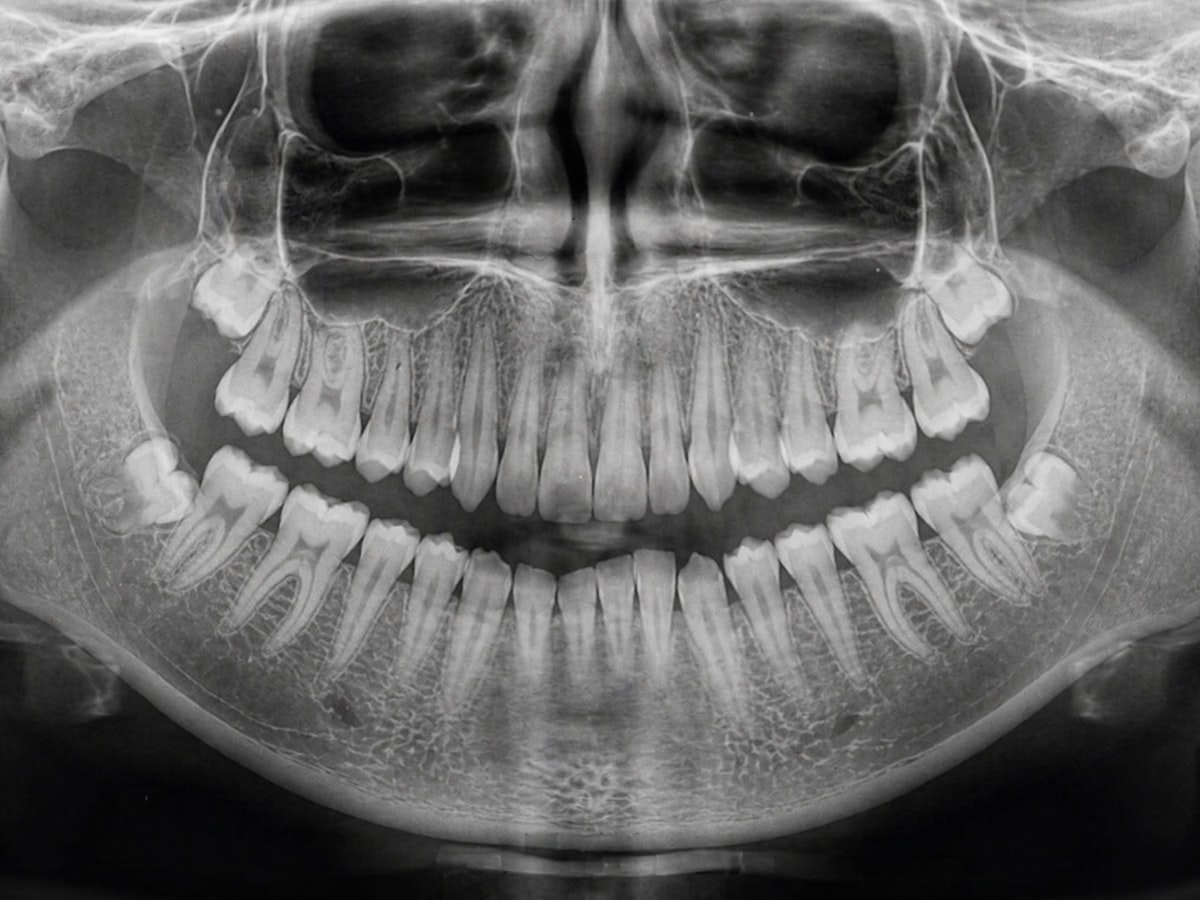
Dental X-rays often explain symptoms that seem vague from the outside. A wisdom tooth can sit sideways beneath the gum and bone while applying force against the tooth in front of it. In another patient, the crown may break through the gum just enough to create a flap of tissue that traps bacteria and food debris. In both cases, the patient may complain of pressure before obvious swelling appears.
The back of the mouth is not a forgiving place. Access is limited, visibility is poor, and the tissue around partially erupted wisdom teeth tends to get irritated quickly. Even patients with excellent oral hygiene can struggle there. I have heard more than one careful brusher say, “I can clean every other tooth fine, but that corner always feels swollen.” That is a common pattern.
When bacteria collect around a partially erupted wisdom tooth, the gum tissue can become inflamed, a condition often called pericoronitis. The signs can include tenderness, bad taste, mild swelling, difficulty opening wide, and pressure that seems to build over several days. Some flare-ups calm down with local treatment and improved hygiene, but if the tooth remains in a bad position, the problem often returns.
Signs that the pressure is likely related to wisdom teeth
Not every jaw ache comes from third molars, but certain clues make wisdom teeth a strong suspect. Pressure linked to these teeth often concentrates behind the second molars. It may worsen during the late teens through the twenties, though older adults can also develop symptoms. The area can feel puffy, irritated, or hard to clean. Sometimes patients notice they keep biting the swollen gum behind the last visible molar.
A common scenario in practice goes like this: a patient reports intermittent soreness on one side, usually after chewing or during periods of stress. They have no obvious cavity, no cracked filling, and no major bite issue. An X-ray reveals a wisdom tooth pushing at an angle into the neighboring tooth or sitting under tissue that has become chronically inflamed. Once removed and healed, that background pressure often disappears.
Another clue is asymmetry. If one side of the jaw consistently feels fuller, tighter, or more tender, the cause is often local, not generalized. Wisdom teeth are a frequent local cause.
Why waiting can make the pressure harder to ignore
People put off wisdom teeth removal for understandable reasons. Life gets busy. Symptoms seem manageable. A flare-up settles down, so it is tempting to think the issue has passed. Sometimes that works out. Sometimes it does not.
What changes over time is not just the tooth. The surrounding tissue changes too. Repeated episodes of inflammation can make the gum more reactive and the area more uncomfortable. A partially erupted tooth can keep trapping debris. An impacted tooth can continue pressing against the tooth in front of it. If decay or gum damage starts on the second molar, the problem expands beyond the wisdom tooth itself.
Age also affects treatment decisions. In general, younger patients often heal more quickly and have roots that are not yet fully formed, which can make removal more straightforward. That does not mean adults should panic if they are older. It simply means early evaluation tends to give patients more options and a smoother path.
Pressure that keeps returning is worth taking seriously, even if it is not dramatic.
How removal relieves oral pressure
The most direct reason removal helps is simple: it eliminates the source of crowding and chronic irritation. When the tooth that is pressing, trapping debris, or inflaming the tissue is gone, the surrounding area can settle down.
That relief is sometimes immediate in the sense that the offending pressure point is no longer present after surgery. More often, patients notice a gradual change over the healing period. The first few days after extraction come with normal surgical soreness and swelling, so that is not the moment to judge the final result. After the tissues recover, many people realize that the persistent heaviness in the back of the jaw is gone. They can chew without guarding one side. The gum no longer feels puffy. The constant awareness of “something being back there” fades.
For impacted wisdom teeth pressing into adjacent structures, the benefit can be even more significant. Removing that source of force may protect the second molar from ongoing damage. For partially erupted teeth causing repeated gum infections, removal ends the cycle of inflammation that made the area feel swollen and tight.
Patients sometimes expect wisdom teeth removal to solve every head, jaw, or neck symptom they have. That is not realistic. TMJ disorders, clenching, sinus issues, and muscle tension can all mimic dental pressure. A careful exam matters. But when wisdom teeth are clearly involved, their removal often addresses a very real mechanical and inflammatory burden.
The evaluation process in Oxnard
A proper wisdom teeth evaluation usually starts with a clinical exam and imaging. The provider looks at how much of the tooth has erupted, the health of the surrounding gum, the relationship to the neighboring molar, and the position of the roots. Panoramic X-rays are common because they show the full position of the wisdom teeth and nearby structures. In selected cases, especially when roots appear close to important nerves, 3D imaging may be recommended.
This is where judgment matters. Not every wisdom tooth needs to come out. A fully erupted wisdom tooth that is healthy, functional, and easy to clean may be left in place. On the other hand, a tooth that repeatedly causes pressure, inflammation, decay risk, or damage to the next tooth usually belongs on the removal list.
For patients exploring Wisdom Teeth Removal Oxnard CA, local consultation matters because treatment planning depends on the details of the case, not on a generic rule. A college student with partially erupted upper wisdom teeth may need a very different approach than a forty-year-old with deeply impacted lower third molars. The symptoms can sound similar, but the anatomy changes everything.
What the procedure is actually like
Most wisdom teeth removals are more controlled and predictable than anxious patients imagine. The specifics depend on how the teeth are positioned. A straightforward erupted tooth may be removed much like any other extraction. A tooth buried under gum or bone requires a surgical approach, often involving a small incision and sectioning of the tooth to remove it safely.
Anesthesia options vary. Some patients do well with local anesthesia alone, especially for simpler cases. Others prefer sedation because it makes the experience feel shorter and less stressful. The right choice depends on medical history, complexity, and personal comfort.
A practical point that patients appreciate hearing is this: pressure relief does not always feel dramatic on day one, because normal post-operative swelling briefly replaces the pre-existing pressure. That is expected. The useful comparison comes after healing, when the inflamed tissue has calmed and the extraction sites are closing well. That is when many people notice the absence of the chronic back-of-mouth tension they had gotten used to.
Recovery, and what “normal” pressure feels like afterward
After removal, some degree of pressure is normal, but it is a different kind of pressure. It comes from swelling and healing, not from a trapped or inflamed wisdom tooth. Most patients feel the first three to five days most clearly. Swelling often peaks around the second or third day, then gradually improves. Mild jaw stiffness is common, especially when lower wisdom teeth were impacted.
Good post-operative care makes a substantial difference. Rest, hydration, prescribed or recommended medications, and careful oral hygiene all support a smoother recovery. So does respecting the soft-food phase for a few days instead of trying to “eat normally” too soon. I have seen plenty of patients feel significantly better simply because they followed instructions closely during the first weekend after surgery.
The warning signs that deserve a call are also worth knowing. Increasing pain after initial improvement, persistent bad taste, fever, or swelling that worsens late rather than early can signal a complication. Those situations are manageable, but they should not be ignored.
Most patients do not remember the recovery as pleasant, but they often remember it as worthwhile.
When pressure is affecting more than comfort
The most obvious reason to remove problematic wisdom teeth is comfort, but that is not the only reason. Chronic oral pressure can interfere with function. Patients may chew mostly on one side. They may avoid opening wide. They may brush less effectively in the sore area, which invites more gum trouble. Sleep can even suffer when nighttime clenching aggravates an already inflamed region.
There is also the issue of neighboring teeth. A wisdom tooth leaning into the second molar can create a food trap and increase the risk of decay or gum problems on a tooth that matters much more for daily function. Losing a wisdom tooth is one thing. Losing or damaging the second molar beside it is another.
This is one reason surgeons and dentists often recommend treatment before a problem becomes an emergency. Pressure is sometimes the earliest useful signal that the area is no longer stable.
Situations where removal may not be the right choice
Balanced advice matters here. There are cases where monitoring is reasonable. An older adult with deeply buried wisdom teeth that have caused no symptoms and show no disease may be better served by observation than surgery. A patient with significant medical complexity might need a more cautious plan, or hospital-based care, depending on the situation. Pregnancy, active infection, medication use, and certain systemic conditions can also shape the timing and setting of treatment.
There are also cases where the pressure someone feels is not dental at all. Muscle pain from clenching can radiate toward the back molars. Sinus pressure can mimic upper tooth discomfort. Ear-related issues can create referred pain near the jaw. That is why competent diagnosis comes before scheduling surgery.
Good care is not about removing every wisdom tooth by default. It is about identifying when the tooth is actually the source of the problem and acting with appropriate timing.
Practical questions patients often have
Patients usually want to know whether pressure alone justifies removal. Sometimes yes, sometimes no. The answer depends on what the exam and imaging show. If the tooth is impacted, repeatedly inflamed, or threatening the adjacent molar, pressure is an important symptom, not a minor complaint.
They also ask how long the relief lasts. If the wisdom tooth was truly the cause, the relief is typically lasting because the source has been removed. That is different from palliative measures, like rinses or temporary antibiotics, which can calm a flare-up without fixing the underlying anatomy.
Another common question is whether all four teeth need removal if only one side hurts. Not always. Treatment can be targeted. However, if the other wisdom teeth show similar positioning or risk, many providers discuss removing them during the same treatment window to avoid a second recovery later. That decision depends on symptoms, anatomy, age, and patient preference.
Choosing the right provider in Oxnard
For Wisdom Teeth Removal Oxnard CA, the best next step is usually a consultation with a dentist or oral surgeon who handles these cases routinely. Experience matters because the details matter. The provider should be able to explain whether your pressure is likely coming from eruption, impaction, gum inflammation, or contact with the neighboring tooth. They should also be straightforward about what removal can and cannot solve.
A useful consultation leaves you with a clear picture of the tooth position, the reasons for treatment, the expected recovery, and the risks specific to your anatomy. It should not feel rushed or vague. Patients tend to do best when they understand not just that a tooth “needs to come out,” but why its current position is creating a problem.
The bigger benefit: a mouth that feels settled again
People often adapt to oral pressure more than they should. They chew differently, brush around the sore area, live with intermittent swelling, and tell themselves it is manageable. Then the tooth comes out, the area heals, and they realize how much background discomfort they had normalized.
That is the real value of wisdom teeth removal in many cases. It restores space, yes, but more importantly, it removes a source of chronic irritation that can affect chewing, hygiene, sleep, and peace of mind. When a problematic wisdom tooth is driving the sensation of crowding or pressure, removing it can make the whole mouth feel calmer.
And that feeling, more than any technical description, is what patients usually remember. The jaw feels lighter. The back of the mouth no longer seems tense. Brushing is easier. Meals stop requiring workarounds. The pressure lifts, and with it, a problem that had been quietly shaping daily life.
Oxnard Dentistry
1730 E Gonzales Rd
Oxnard, CA 93036, United States
Phone: +1 805-307-8731
FAQ About Wisdom Teeth Removal Oxnard CA
How much does it cost to get wisdom teeth removed in California?
Fees depend on tooth position, the number of extractions, imaging and anesthesia. Oxnard Dentistry can provide an individual estimate after examining your teeth. Ask for an itemized plan and confirm insurance benefits before scheduling.
Will insurance cover wisdom teeth removal?
Coverage and out-of-pocket costs vary by policy and the treatment required. Ask the dental office and your insurer to verify benefits, annual limits and any authorization requirements. A benefit estimate does not guarantee payment.
Is 30 too old to have wisdom teeth removed?
Age alone does not determine whether extraction is appropriate. A dentist evaluates symptoms, tooth position, oral health and medical history. Healthy, functional wisdom teeth may be monitored; teeth causing disease or other problems may need treatment.